5 Steps How to Stop Roof Algae and Protect Your Shingles
Those black streaks on your roof aren't just ugly — they're bacteria eating your shingles. Here's our expert 5-step guide to stopping roof algae and protecting your Middle Tennessee home.
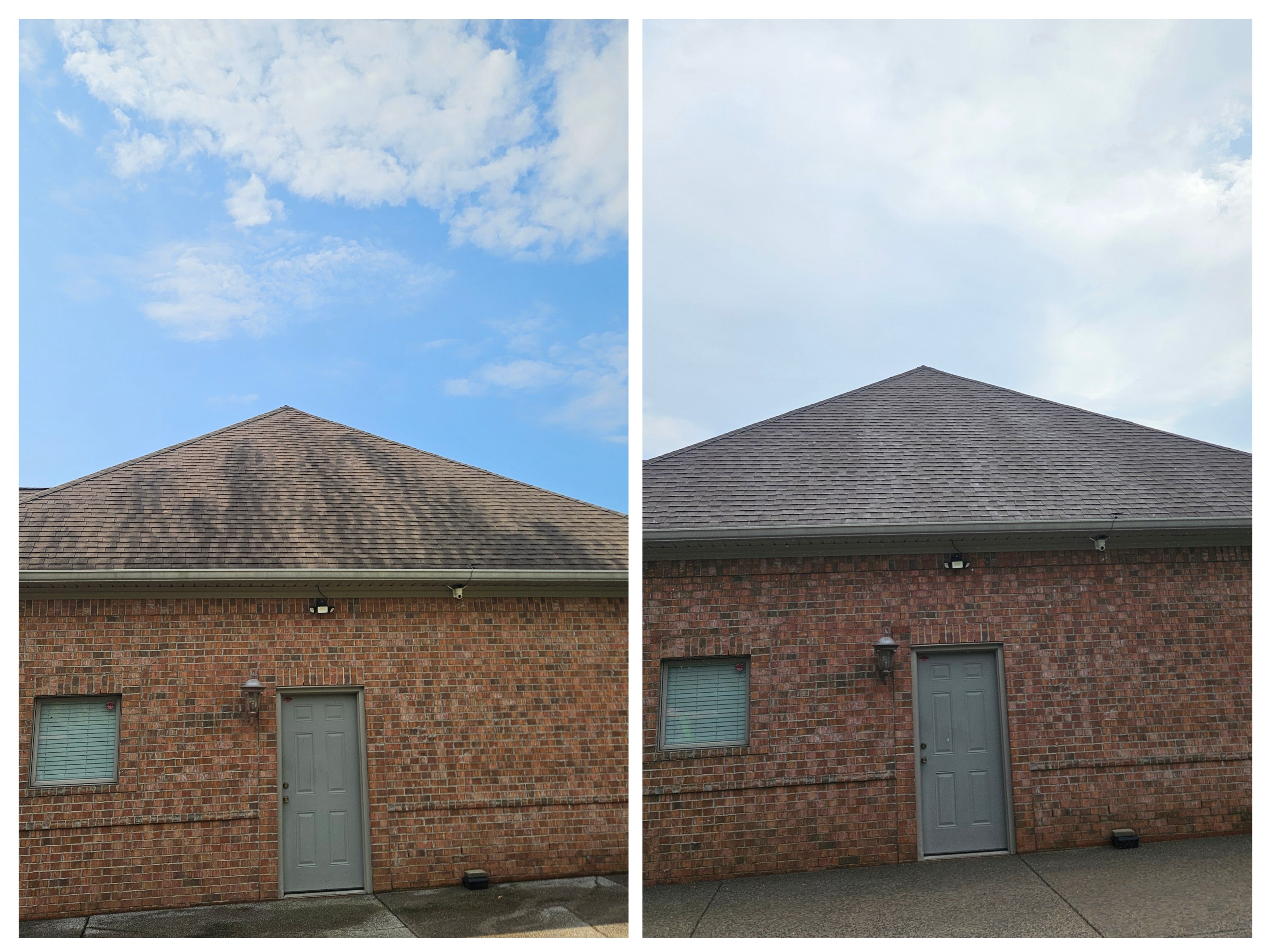
If you've lived in Middle Tennessee for more than a single summer, you've likely noticed those unsightly black streaks creeping across your roof. While they might look like soot or dirt, they are actually a hardy form of bacteria called Gloeocapsa Magma. These organisms aren't just an eyesore — they are eating away at the limestone filler in your shingles, shortening the life of your roof and driving up your energy bills.
At Crystal Clean Pressure Washing & Softwash, we treat your home like our own. We know that your roof is one of the most expensive components of your property. Protecting it isn't just about curb appeal: it's about smart financial stewardship.
Here is our expert, 5-step guide to stopping roof algae in its tracks and ensuring your shingles last for decades.
Step 1: Identify the Enemy (The "Black Streak" Culprit)
The first step in any successful roof algae removal service is understanding what you're up against. In the humid climate of Nashville, Murfreesboro, and the surrounding areas, algae thrives on the shaded, north-facing slopes of roofs.
Gloeocapsa Magma is a cyanobacteria that travels through the air. Once it lands on your asphalt shingles, it begins to feed. As it grows, it creates a dark, protective outer coating to shield itself from UV rays — this is the "black streak" you see from the curb. If left untreated, this growth can lead to lichen and moss, which hold moisture against your shingles and cause them to rot or curl.
- Look for: Vertical black streaks, green fuzzy patches (moss), or crusty growths (lichen).
- Check the North: Algae almost always starts on the parts of the roof that stay damp the longest.
Step 2: Choose the Right Method (The Softwash Standard)
Many homeowners assume that residential power washing means blasting the roof with high-pressure water. This is a costly mistake. The Asphalt Roofing Manufacturers Association (ARMA) explicitly warns against using high pressure on shingles.
High-pressure water strips away the protective granules that reflect sunlight and protect the asphalt. Instead, we utilize the Softwash method. This process uses commercial-grade, low-pressure equipment (roughly the pressure of a garden hose) to apply specialized cleaning solutions.
- Softwash Advantage: It kills the algae at the root rather than just "giving it a haircut."
- Warranty Protection: Soft washing is the manufacturer-approved method that keeps your roof warranty intact.
Step 3: Apply Eco-Friendly, Manufacturer-Approved Solutions
Effective professional roof cleaning relies on chemistry, not brute force. To eliminate Gloeocapsa Magma, we use eco-friendly solutions that are biodegradable and safe for your family, pets, and landscaping.
Our solution is a precise mix of manufacturer-recommended cleaning agents and water. We don't just spray and pray — we ensure a specific dwell time that allows the solution to neutralize every spore.
- Plant Protection: Before we begin, we thoroughly saturate your grass and shrubs with clean water to ensure they are protected from any runoff.
- Surgical Precision: Our technicians are trained to apply the solution only where it's needed, ensuring a thorough clean without waste.
Step 4: Implement Preventative Measures
Once your roof is pristine, you want to keep it that way. Middle Tennessee's lush canopy is beautiful, but overhanging branches create the shade and organic debris that algae love.
- Trim the Trees: Keep branches at least 6 to 10 feet away from your roofline to increase sunlight and airflow.
- Zinc and Copper Strips: Installing these metallic strips near the ridge of your roof can provide long-term protection. When it rains, water picks up metallic ions that act as a natural algaecide as they wash down the shingles.
- Clear the Debris: Regularly blow off leaves and twigs. Organic matter traps moisture, creating a petri dish for new algae growth.
Step 5: Establish a Professional Maintenance Schedule
Roof cleaning isn't a "one and done" task — it's an investment that pays for itself. A clean roof reflects more sunlight, keeping your attic cooler and reducing your AC load during those sweltering Tennessee summers. More importantly, it can extend the life of your shingles by up to 10 to 15 years.
We recommend a professional roof cleaning every 3 to 5 years, depending on your home's sun exposure and surrounding foliage. By catching the algae early, you prevent the heavy moss growth that leads to structural damage.
- The Bottom Line: A roof replacement can cost $10,000 to $20,000. A professional softwash is a fraction of that cost and keeps your home looking brand new.
Trust the Local Experts
At Crystal Clean Pressure Washing & Softwash, we are proud to be a local, licensed, and fully insured team serving the Middle Tennessee community. We don't just offer a service — we offer a 100% satisfaction guarantee. We've built our reputation on hard work, specialized knowledge, and treating every customer's property with the utmost respect.
Ready to revitalize your home's exterior and protect your biggest investment? Let us earn your business with a no-obligation quote today.
Explore Topics
Written by
Crystal Clean Pressure Washing & Softwash
Content creator and writer sharing insights and stories.